

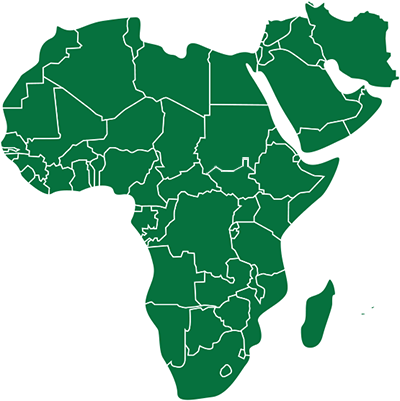

CropLife Africa Middle East A.I.S.B.L
Is a non-for-profit industry association representing the leading global manufacturers of pesticides, seeds and biotechnology products in its territory.
The regional association was registered in Brussels in November 2002 and represents today more than 20 national associations across its region.
The association is legally fully independent but maintains a strong link with the global CropLife network (www.croplife.org).
 Values
 & Beliefs
 Strategic
 priorities
 Vision
 Mission
Values & Beliefs
We Believe in Unity
We Believe in Openness
We Are Committed
We are Partners in Sustainability
Read more
STRATEGICS PRIORITIES
CropLife Africa Middle East represents the innovators, developers, manufacturers, formulators and registrants of crop protection and ag-biotechnology products. Read more
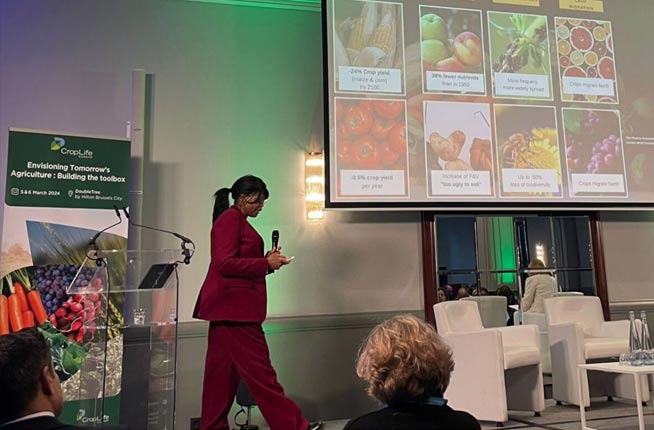
CropLife AME attended CropLife Europe Annual Conference on “Envisioning Tomorrow’s Agriculture: Building the Toolbox”
…
++ DETAILS
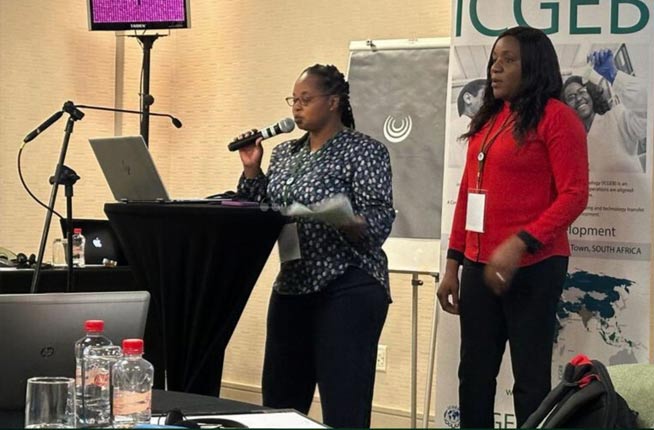
Workshop on “Advancing Regulatory Harmonisation and Biopesticides’ Innovation in Africa”
…
++ DETAILS
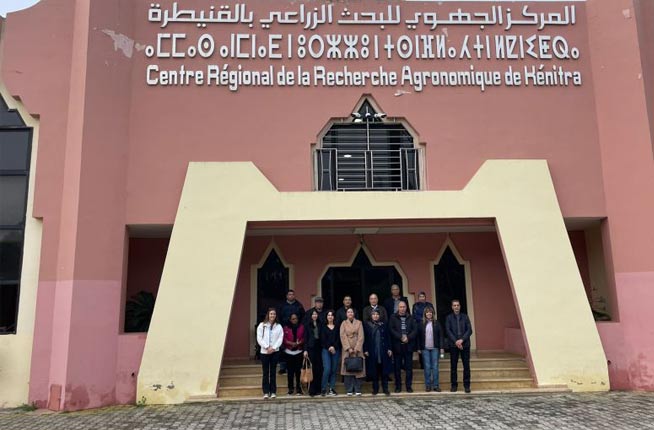
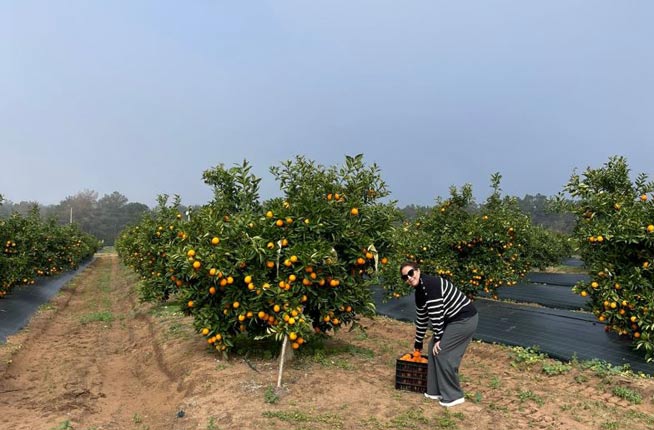
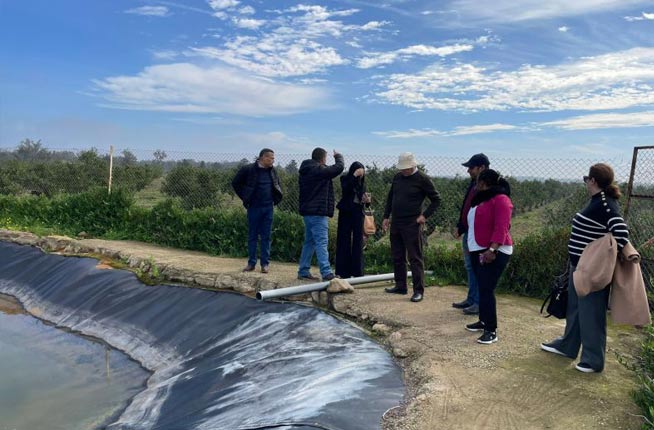
CropLife AME met with the National Institute of Agricultural Research in Kénitra, Morocco, to discuss the use of digital solutions in agriculture and public-private cooperation
…
++ DETAILS
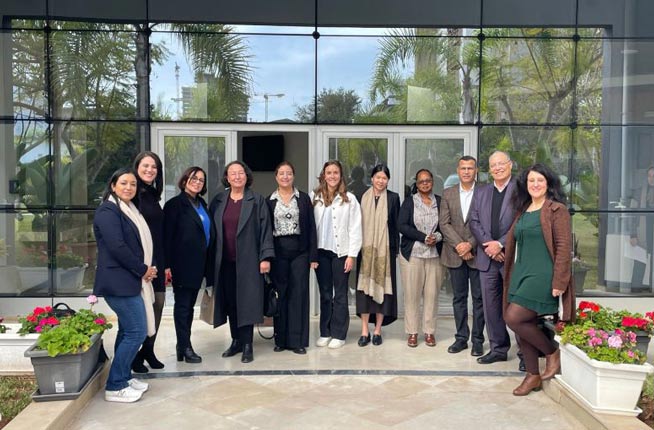
CropLife AME team met with the Moroccan Anti-Poison and Pharmacovigilance Center to discuss farmers behaviours’ with regards to pesticides uses
…
++ DETAILS
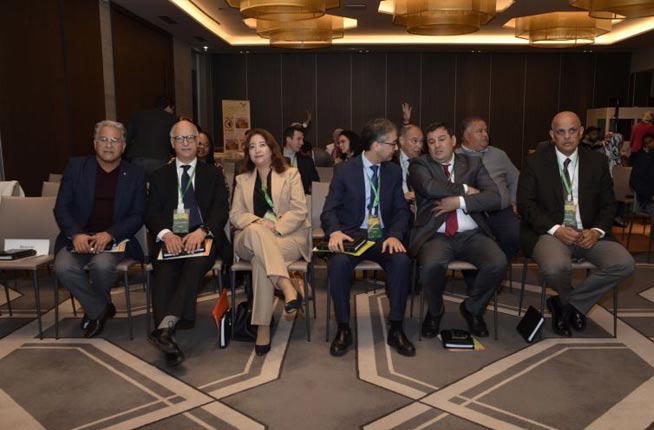
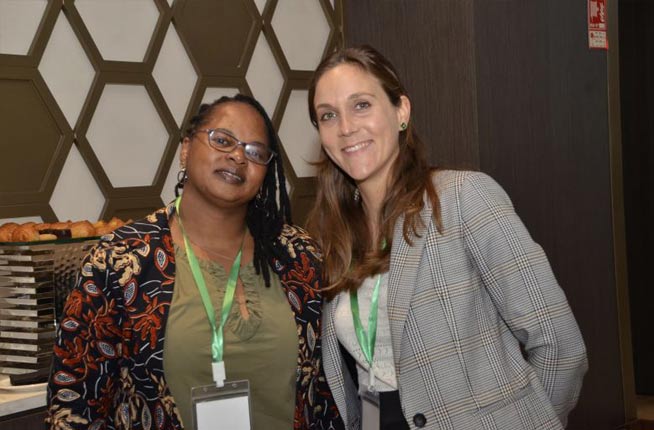
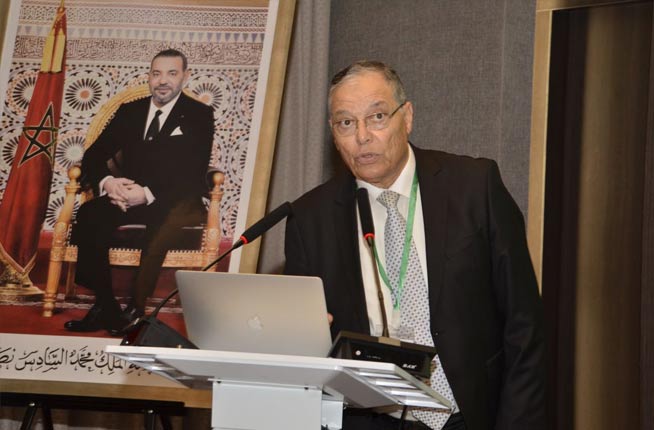
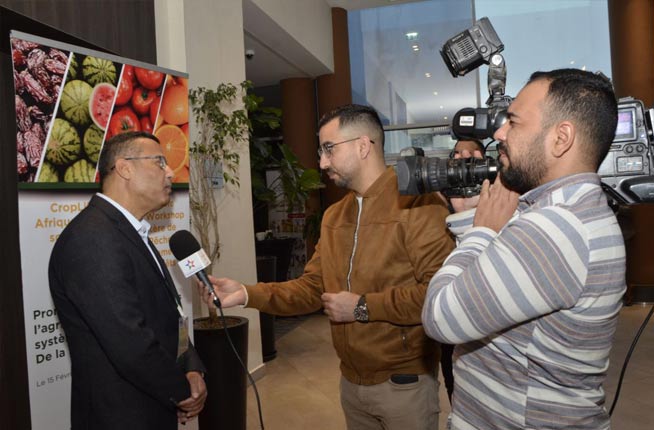
CropLife AME and CropLife Morocco’s workshop on ‘Promoting the transition of Moroccan agriculture towards sustainable food systems: From theory to action’
…
++ DETAILS
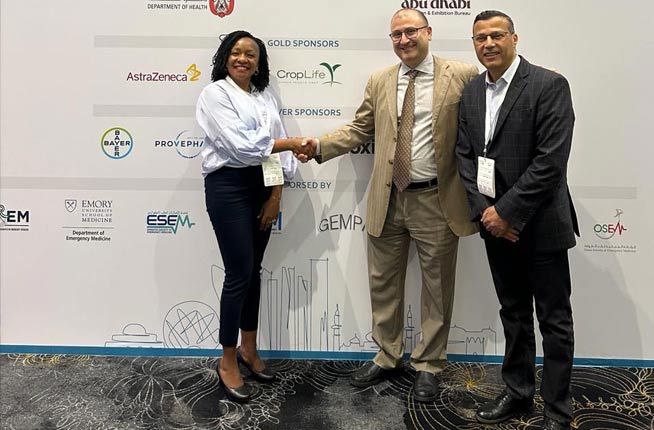
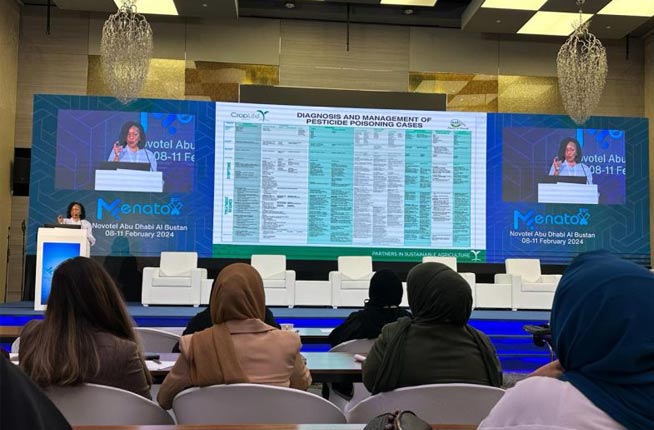
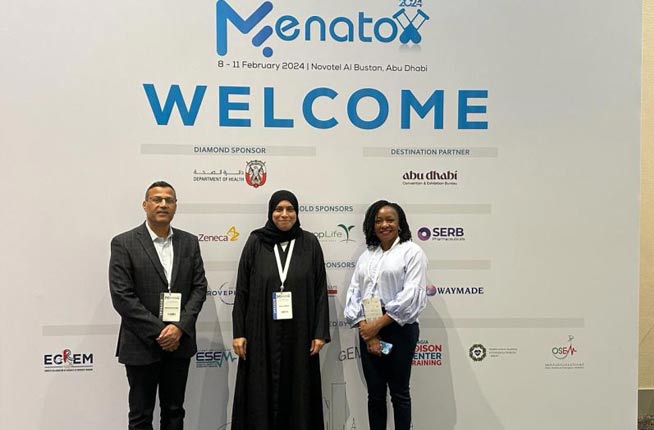
CropLife AME colleagues attended the annual scientific meeting and conference organised by the Middle East and North Africa Clinical Toxicology Association
…
++ DETAILS
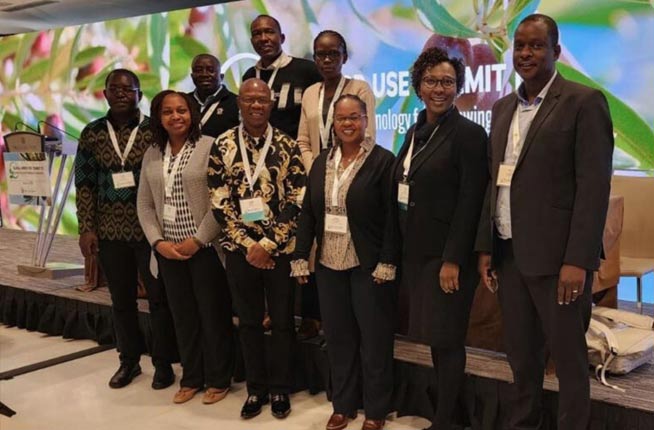
CropLife AME took part in the Global Summit on Minor Uses in Madrid, Spain, to dialogue with stakeholders about productivity and trade in minor crops.
…
++ DETAILS
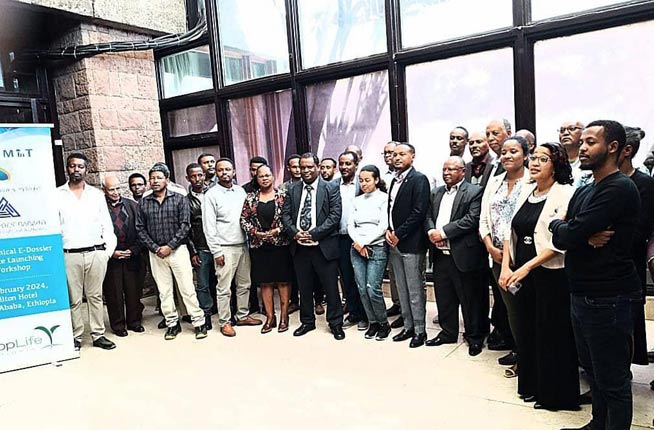
CropLife Africa Middle East took part in the launch of an e-submission platform in Ethiopia, Addis Ababa
…
++ DETAILS
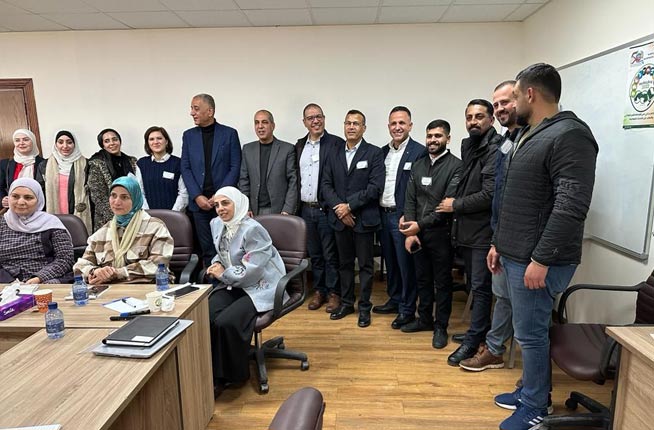
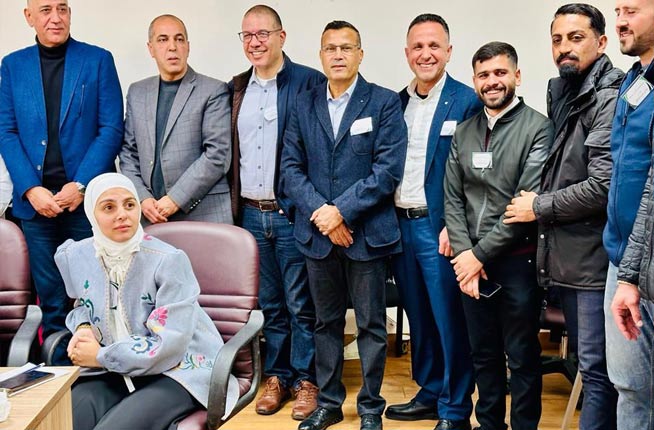
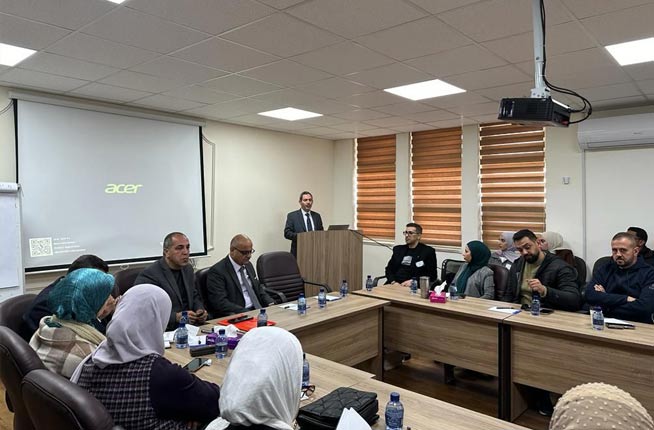
CL AME MENA Regional Director, organized a Training of Trainers of Government Officers and Companies in Amman, Jordan.
…
++ DETAILS
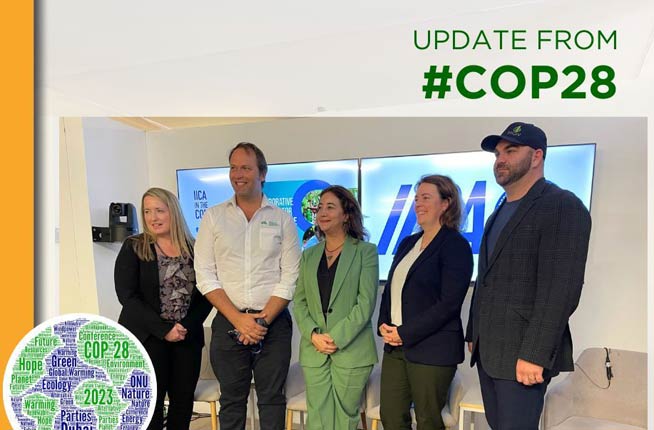
Working together to promote climate resilience on farm
On Friday, 10 December, Dr Samira Amellal, CEO at CropLife Africa Middle East, took part in a though…
++ DETAILS

Harvesting Innovation for Climate Resilience
Yesterday, Thursday 7 December, Samira Amellal, CEO at CropLife Africa Middle East, took part in the…
++ DETAILS
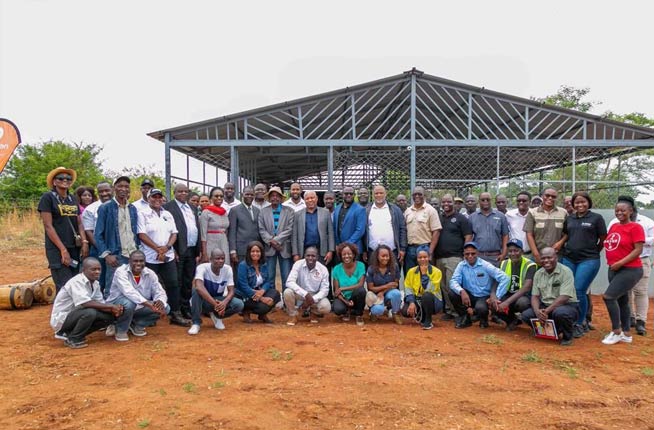
Launch of the Chongwe Aggregation Hub, Zambia
In November, ESA Regional Director was in Zambia to attend the launch of the Chongwe Aggregation Hub…
++ DETAILS
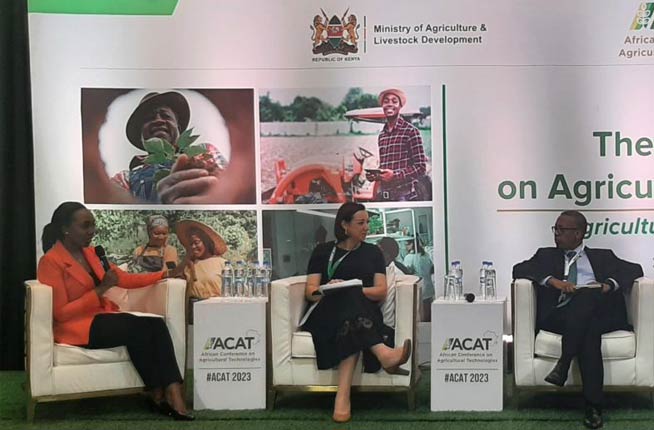
The African Conference on Agricultural Technologies (#ACAT2023), Nairobi, Kenya
The African Conference on Agricultural Technologies (#ACAT2023) kicked off in Nairobi, Kenya, focusi…
++ DETAILS
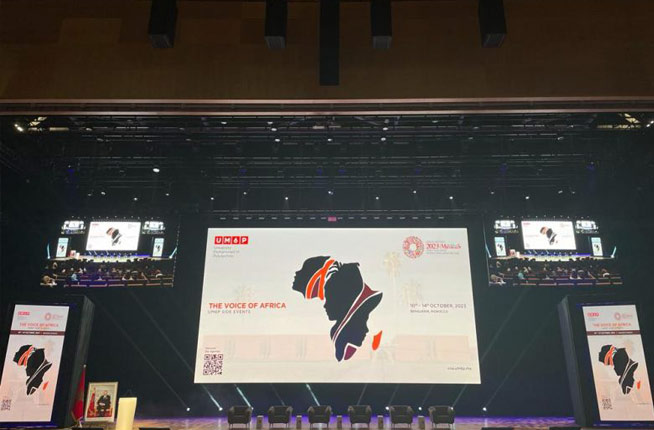
CropLife AME attended ‘The Voice of Africa’ conference on food security
On October 10th, our colleague Margaux, Director of Public Affairs & Communication CropLife AME had …
++ DETAILS
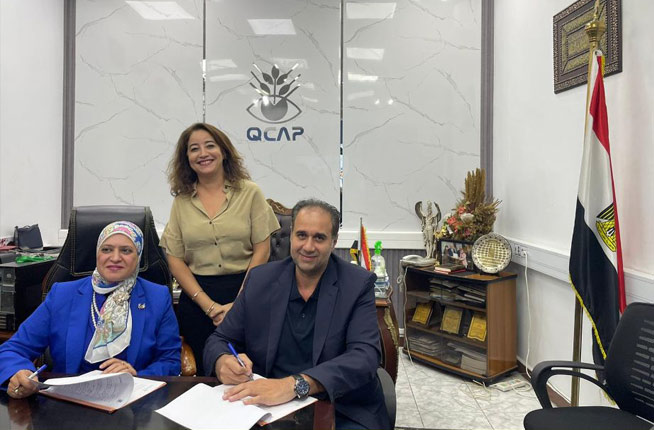
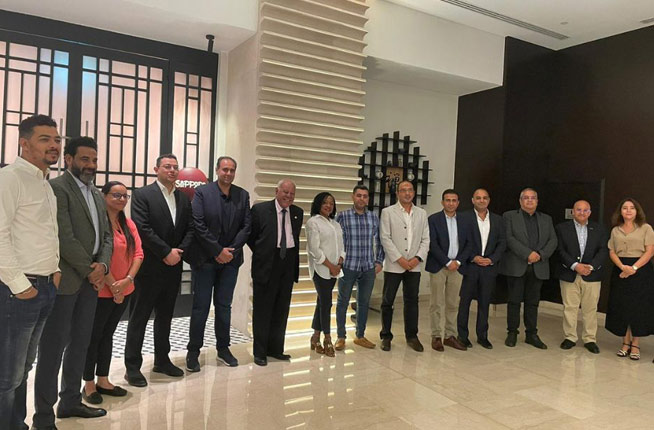
CropLife AME team convened with the CropLife Egypt Board to address the vital topic of sustainable pesticide management
In early October, the CropLife Africa Middle East team convened with the CropLife Egypt Board to add…
++ DETAILS
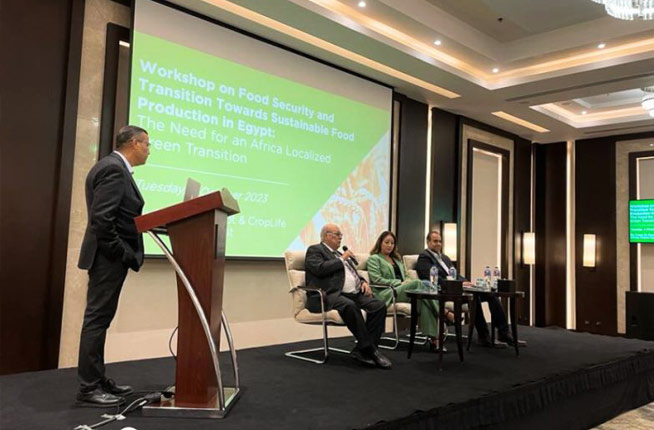
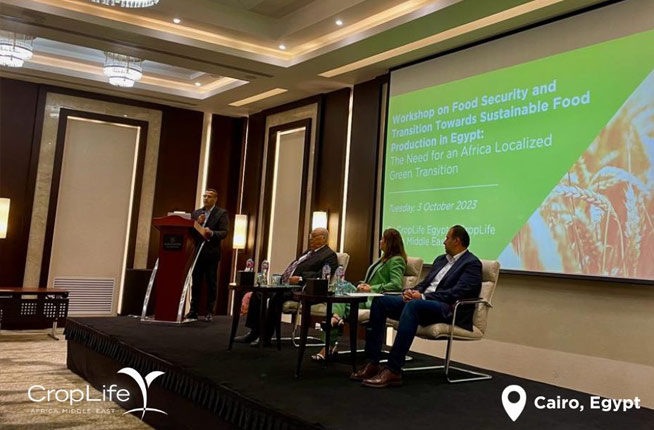
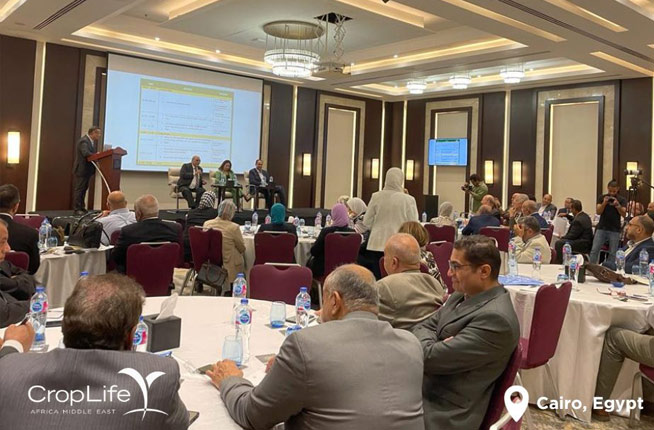
CropLife AME and CropLife Egypt’s workshop on the transition towards sustainable food production in Egypt
On 3 October, CropLife Africa Middle East & CropLife Egypt co-hosted a workshop on 'Food Security an…
++ DETAILS
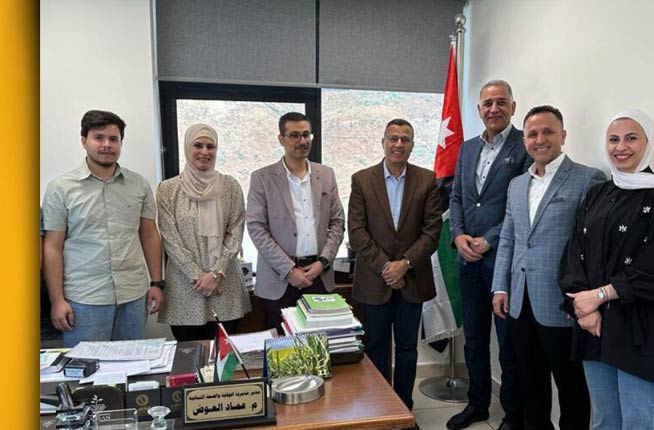
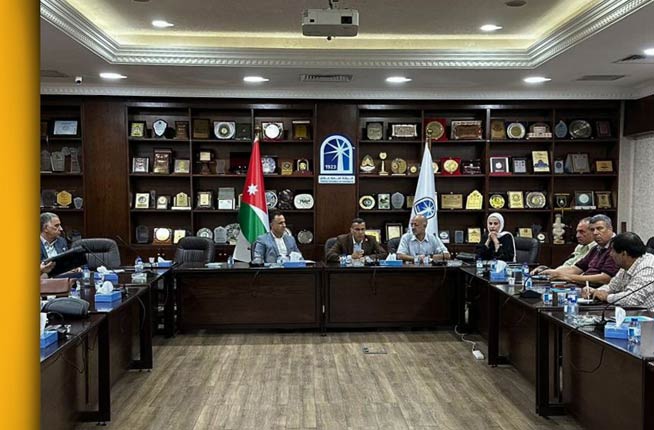
Meeting with the Ministry of Agriculture and the Syndicate of Agricultural Materials Traders and Producers Association (AMATPA) in Jordan
…
++ DETAILS

Participation of CropLife AME in a workshop on market compliance organised by aak-GROW/CropLife Kenya
Last week, our colleague Stella, Director of Regulatory Affairs at CL AME, participated in a worksho…
++ DETAILS
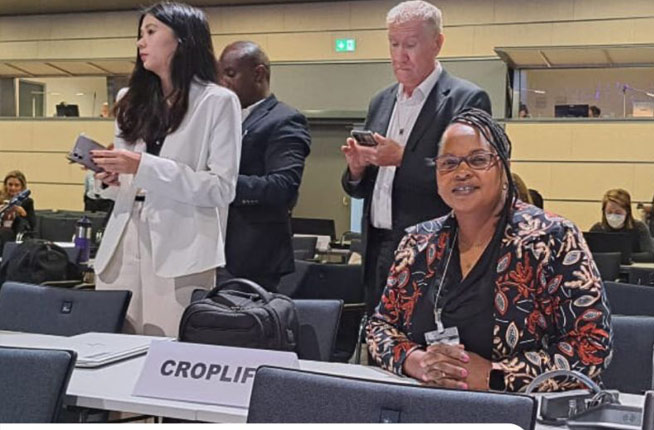
CropLife AME attended the 5th session of the International Conference on Chemicals Management (ICCM5)
Early September, Stella Simiyu - Director of Regulatory Affairs - represented CL AME at the 5th sess…
++ DETAILS



Croplife AME meeting with CropLife Nigeria’s Board and members
In September, CL AME colleagues - Stella and Sylvain - were in Nigeria to notably: Meet with CropLif…
++ DETAILS